
Why Some Voto Para La Mujer Quarters Quietly Sell Above Face Value
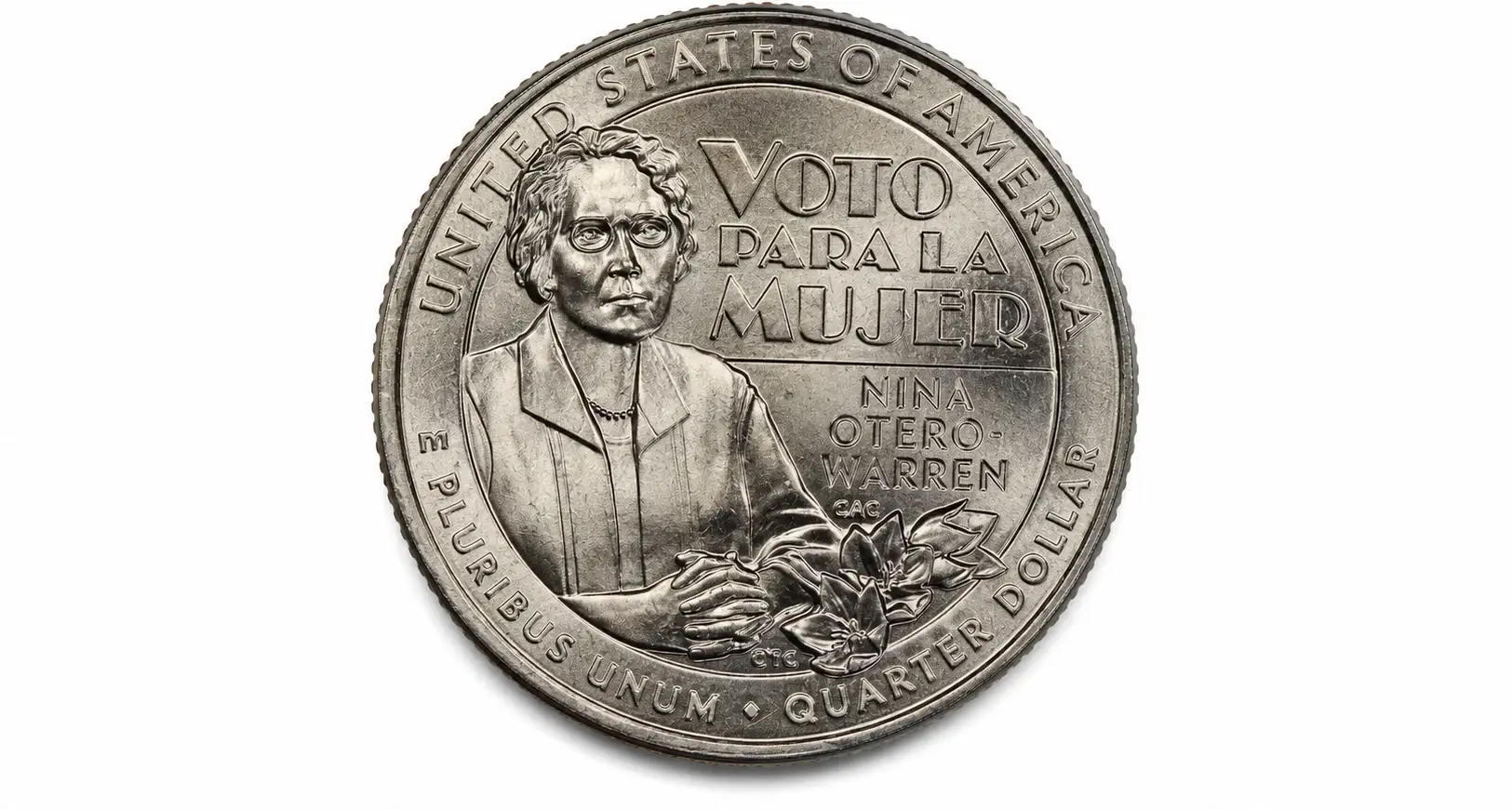
Citizens spend coins daily without inspecting minor details.
Collectors sort through rolls searching for overlooked variations.
Market value of Voto Para La Mujer quarters exceeds face value upon discovering specific deviations.
These units belong to the American Women Quarters program.
Successful specimens possess unique markers increasing market Voto Para La Mujer Quarter worth.
Collectors monitor mintages produced at different facilities.
Striking errors serve as primary determinants of value.
Professional certification guarantees authenticity, enhancing auction results.
Statutory laws establish technical specifications for every issue.
Physical Specifications
Standard parameters for these coins remain fixed.
Feature | Data |
Composition | 91.67% copper, 8.33% nickel |
Weight | 5.67 grams |
Edge | Reeded |
Diameter | 24.26 millimeters |
Thickness | 1.75 millimeters |
Production Mechanics
Minting processes require constant quality oversight.
Equipment wear creates deviations from established standards.
Defects transform standard items into rare varieties.
Investors track these anomalies influencing market price.
Varied production methods across mints shift demand for specific releases.
Certain items sell for sums exceeding face value manifold.
Determining actual worth demands understanding manufacturing sequences.
Indicators Influencing Value
Market appreciation depends on several metrics:
Error types
Surface condition
Mint marks
Grading reports
Classification of Minting Errors
Doubled Die
Image duplication appearing on the coin surface can be checked with the coin value checker app.
Die application issues cause this overlap during stamping.
Letters or design elements exhibit visible shadows.
Scarcity increases investor interest significantly.
Off-Center Strikes
Designs shifted away from geometric centers.
Incorrect feeding of metal blanks into presses causes this misalignment.
Higher degrees of deviation increase final market price.
Die Clash
Negative impressions left by opposing dies.
Striking without blanks causes accidental contact.
Reversed design elements manifest faintly on obverse surfaces.
Extremely rare occurrences drive high interest.
Price Progression Trends
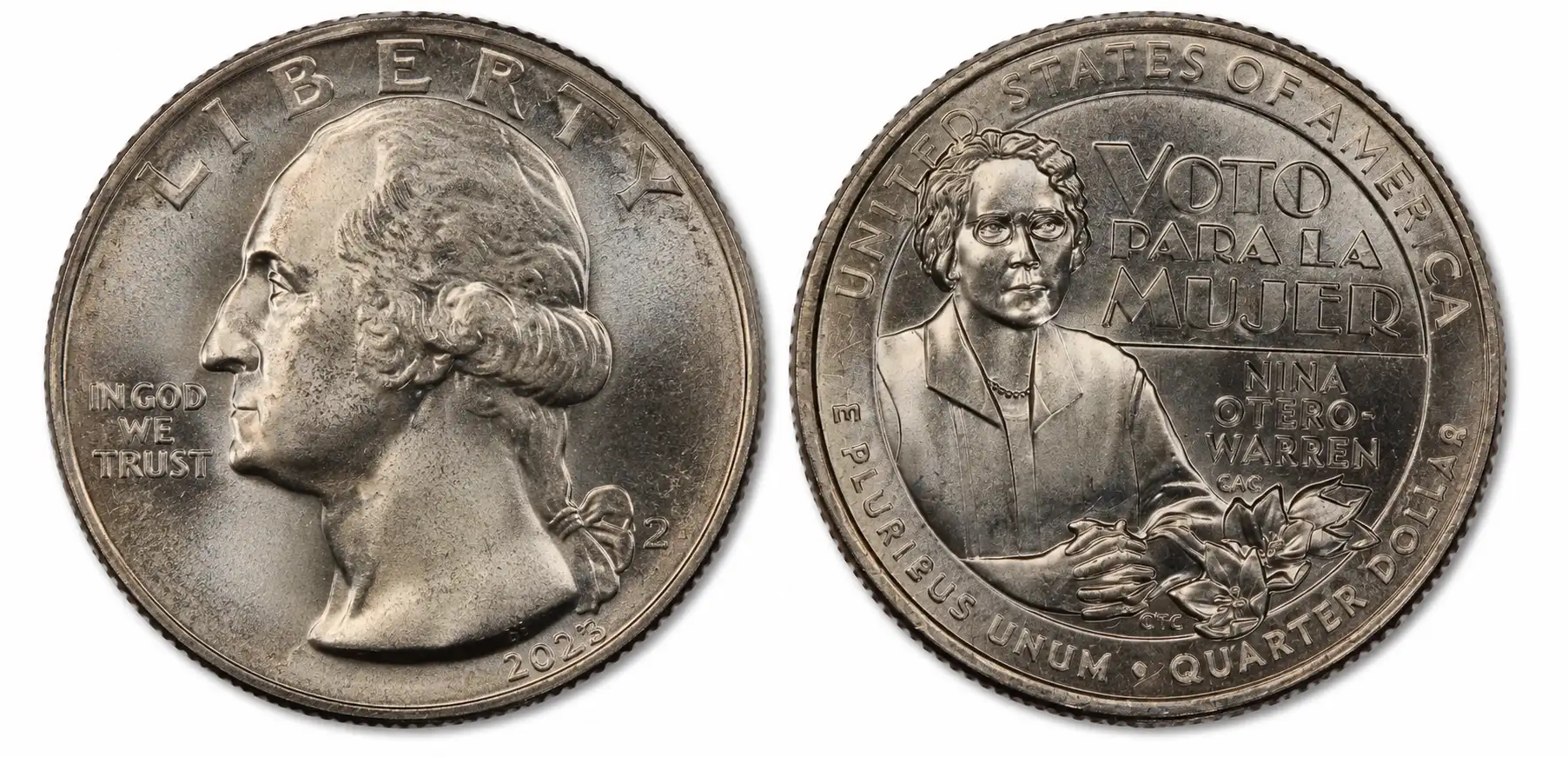
Interest in numismatic objects demonstrates consistent upward trajectory.
Detection of new error varieties stimulates this expansion.
Three-year price performance analysis:
2024 average market price: $4.50 per unit.
2025 average market price: $5.10 per unit.
2026 average market price: $6.20 per unit.
Professional equipment ensures accurate assessment.
Certification and Valuation
Third-party organizations conduct objective evaluations.
Expert grades confirm condition and authenticity.
High-rated objects exhibit better growth dynamics.
Evaluation criteria checklist:
Surface integrity
Damage absence
Image crispness
Die authenticity
Buyers accept higher price for certified specimens.
Uncertified status limits rapid sale opportunities.
Mint Facility Comparison
Manufacturing locations apply specific identifying marks.
Denver mints stamp products with D marks.
Philadelphia facilities utilize P designations.
West Point applies W marks.
Output volumes influence market demand.
Facility | Mintage in millions |
Philadelphia | 240.0 |
Denver | 210.0 |
West Point | 2.0 |
Limited West Point output triggers heightened demand.
Investors target these specific issues for asset diversification.
Strategic Acquisition Guidelines
Successful hunting necessitates patience plus attention.
Scanning bank rolls remains the primary detection method.
Investors rely on comparative tables for parameter verification.
Inspection rules for collectors:
Parameter verification
Protective capsules
Strict adherence prevents asset degradation.
Damaged items forfeit substantial worth.
Technical Minting Lifecycle
Coin fabrication involves multiple disciplined stages.
Initial step requires blank preparation.
Preheating ensures metal malleability.
High-pressure striking forms intricate relief details.
Automated systems perform quality control throughout.
Failures in inspection systems allow defective pieces into circulation.
Random events characterize origins of rare items.
Statistical probability of finding errors remains low.
Scarcity as a Valuation Driver
Scarcity functions as the defining factor for any asset.
Limited counts elevate market price.
Standard specimens trade at face value.
Rare deviations elevate market value multi-fold.
Growth cycle:
Error detection → Interest spike → Demand rise→ Price appreciation
Market participants verify these indicators before finalizing trades.
Stability of value growth correlates with total supply.
Increased findings eventually dilute uniqueness.
Investors monitor regular reports on discoveries.