
Evaluating 2020 Bat Quarters: Condition, Rarity, and Prices
Learning to find the value of the 2020 quarter bat showing a Samoan fruit bat helps people understand the coin market today. Factors like the mint mark, special labels, and the metal surface change the final price of the coin.

Providing a clear path for checking coins from normal change to expensive collector pieces, this article explains how to grade your money.
Main Factors for Grading Your Coins
People in the United States use a 70-point scale for grading coins to show how much wear they have. Placing a coin into a specific category based on its look changes the price immediately.
Different Grades for 2020 Quarters
Circulated Showing many marks and scratches from being used in stores, these coins often have blurry details on the bat and letters. Worth only twenty-five cents in most cases, these pieces staying common do not interest serious buyers.
About Uncirculated (AU) Having very small signs of wear on the highest parts like the face of the bat, these coins still look almost new. Keeping most of the original shiny metal, these items represent a good start for a new collection.
Mint State (MS) Moving from MS-60 to MS-70, this grade describes coins never used for buying things in the real world. Staying clean without any marks on the metal surface, these quarters must show every small detail of the wings and fur.
Proof (PF/PR) Made specially for collectors using polished tools, these coins show a mirror background and a frosty image. Appearing only in special sets from the Mint, these pieces stay in perfect condition inside plastic holders.
Checking Rarity by Looking at Mint Marks
Finding the rarity of a 2020 quarter requires looking at the small letter standing on the front side near the date.
Philadelphia Mint (P) Making hundreds of millions of coins for daily use, this mint created many common pieces. Finding a coin worth more than a few dollars requires looking for perfect surfaces with no scratches.
Denver Mint (D) Producing a huge number of coins for the western part of the country, this location also made many normal quarters. Only coins having no defects and a strong shine attract attention from buyers today.
San Francisco Mint (S) Creating coins made of copper and silver for special sets, this mint did not put money into normal change. Being harder to find, these quarters always stay more expensive than common ones.
West Point Mint (W) Representing the rarest version for change, this mint made only two million coins for the whole country. Having the "W" mark and a special "V75" label, any coin found with these marks stays valuable even with scratches.
Grade | 2020-P / 2020-D | 2020-W (West Point) | 2020-S (Clad/Silver) |
AU-58 (Almost Perfect) | $0.25 | $10 - $15 | N/A |
MS-63 (Average Shine) | $0.50 - $1.00 | $20 - $30 | $5 - $15 |
MS-65 (High Quality) | $2 - $5 | $40 - $60 | $10 - $25 |
MS-67 (Perfect) | $15 - $30 | $150 - $250 | $30 - $50 |
MS-68+ (Museum Quality) | $100+ | $500+ | $80+ |
PF-69 Ultra Cameo | N/A | N/A | $15 - $40 |
PF-70 Ultra Cameo | N/A | N/A | $50 - $150 |
Technical Ways for Checking the Metal Surface
Evaluating a coin at home requires using a small magnifying glass or a coin identifier and a bright lamp shining from the side.
Checking the Background Field Looking for small marks caused by coins hitting each other in bags helps finding the best pieces. Staying clean around the head of the fruit bat, a coin with no marks reaches a higher grade easily.
Looking for Mint Luster Moving the coin under a lamp shows a light effect spinning around the center like wheels on a car. Losing this shine after being used in pockets, a coin without luster drops in value quickly.
Testing the Strike Quality Examining the fingers on the bat wings and the texture of the hair shows how hard the machine hit the metal. Looking flat and smooth, a poor strike makes the coin less interesting for people wanting perfect details.
How Mint Mistakes Change the Price
Creating a special category for collectors, mint mistakes stay popular because they look unique.
Small metal drops appearing on the eyes or wings of the bat increase the price to five or twenty dollars.
Showing the design shifted to one side, off-center coins cost between fifty and two hundred dollars.
Doubled images appearing because of the machine hitting the metal twice sell for hundreds of dollars at auctions.
Keeping Your Coins Safe to Save Their Value
Preventing the metal from touching the air or your skin keeps the coin looking new for many years.
Using Soft Gloves Holding expensive coins with cotton or plastic gloves stops oils from your fingers from leaving permanent marks. Avoiding skin contact stays especially for silver coins and perfect Proof pieces.
Picking the Right Holders Placing coins into small plastic boxes or paper holders made without bad chemicals prevents damage. Staying away from cheap plastic prevents the metal from turning green over time.
Controlling the Air Storing your collection in a dry place with a steady temperature stops the metal from getting dark. Avoiding wet air keeps the shiny copper-nickel surface looking great for the future.
Choosing Professional Grading Companies
Sending coins worth more than fifty dollars to companies like PCGS or NGC or a free coin scanner helps proving they are real. Using these famous services provides safety for people buying expensive "W" quarters from other collectors.
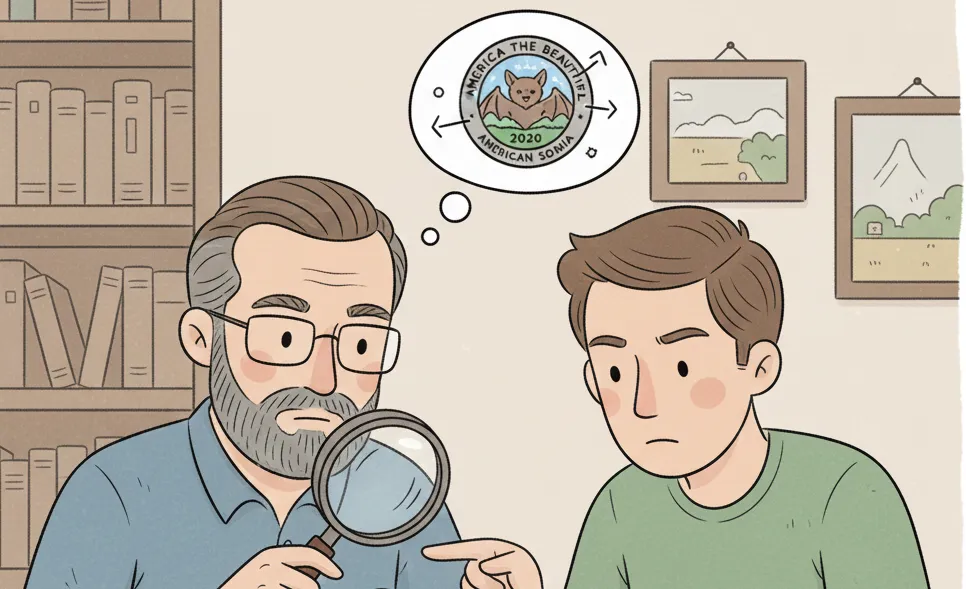
Benefits of Official Certification
Experts confirming the coin is real provide peace of mind for buyers wanting high-quality items. Giving a perfect number on the Sheldon scale, these services help everyone know the exact quality of the metal. Closing the coin inside a hard plastic case ensures it stays safe from scratches for a very long time.
Understanding the Grading Process
Experts looking at the coin under strong light check every small part of the bat and the background. Following strict rules for evaluation, these professionals decide if the coin reaches a high Mint State level. Having several people check the same coin ensures the final grade stays fair and correct for the market.